storyeve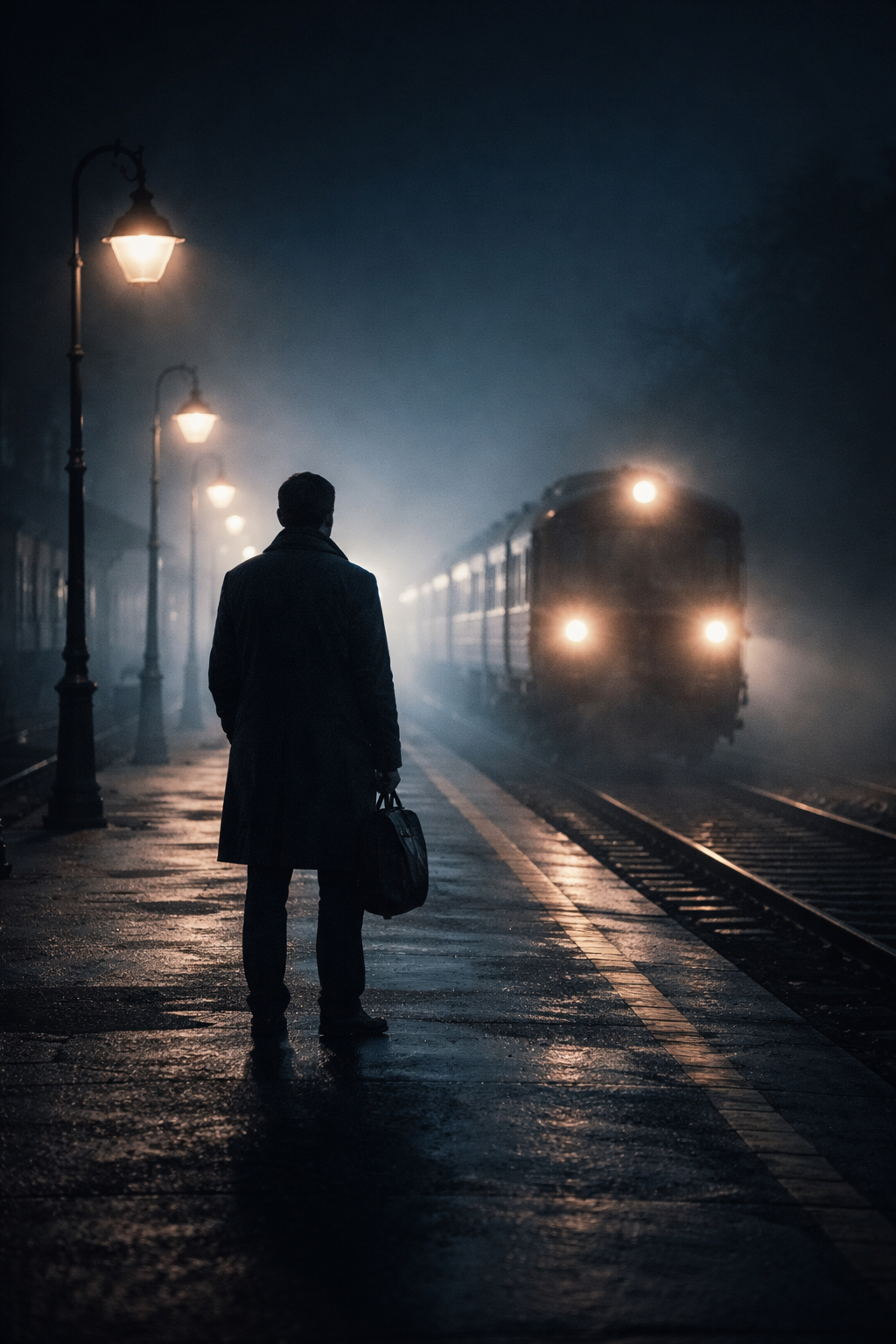
A Silent Platform at Twelve
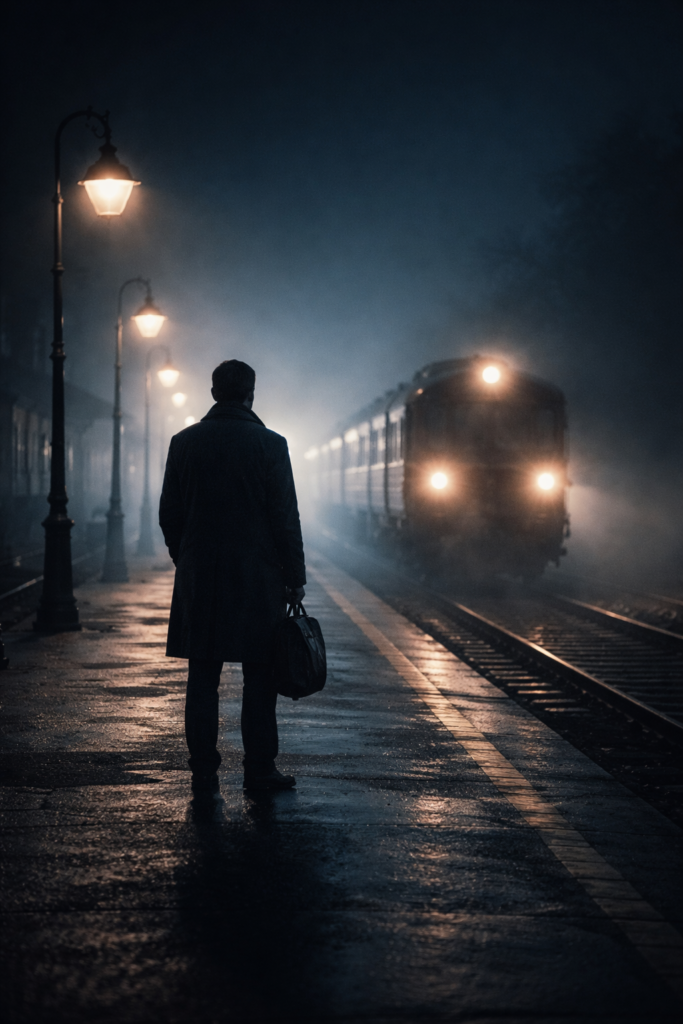
Midnight has a strange power. Among fiction short stories, the ones born in silence often leave the deepest impact. The old railway station at the edge of the city stood quiet, wrapped in cold air and fading light. A large clock hung above Platform Three, its hands slowly moving toward twelve.
Aarav stood alone near the tracks, his coat pulled tight. He had been here many times before. Every night, the last train arrived at exactly midnight—and every night, someone waited. Sometimes that someone was him.
Waiting That Became a Habit
Waiting was no longer a choice for Aarav. It was a habit shaped by years of hope. Like many characters in fiction short stories, he believed that returning to the same place might change the ending.
The station lights flickered as the distant sound of the train echoed through the darkness. Aarav felt his heart tighten. He prepared himself, even though he already knew what would happen.
The train slowed and stopped. A few passengers stepped down, their faces tired, their minds elsewhere. Aarav looked at each one carefully.
She wasn’t there.
The disappointment settled quietly. Not sharply, not painfully—just a familiar ache. Some fiction short stories are about grand reunions, but real life often ends moments without drama.
A Stranger with Gentle Words
As Aarav turned away, he noticed an old man sitting on a wooden bench nearby. The man’s posture was relaxed, as if time had stopped arguing with him long ago.
“You come here often,” the old man said softly.
Aarav nodded. “I think I’m waiting for someone.”
The man smiled. “Midnight trains don’t bring people back. They bring clarity.”
Aarav sat beside him. “Does clarity help?”
“It helps you stop waiting,” the man replied.
Before Aarav could ask more, the train whistle echoed again. When he turned, the old man was gone. Only a worn notebook lay on the bench where he had been sitting.
The Notebook of Stories
Curious, Aarav picked up the notebook. Its pages were filled with handwritten fiction shorts—fiction short stories about people waiting at stations, airports, doorways, and memories. Every story was different, yet all shared the same ending.
No one returned.
On the final page, one sentence stood alone:
“Hope becomes a prison when it refuses to let you move forward.”
The words stayed with Aarav as he walked home that night.
A Turning Point at Dawn
Sleep didn’t come easily. Aarav’s mind replayed moments he wished he could change—missed calls, unsaid apologies, pride that had pushed love away. Like many fiction short stories, his life had reached a quiet turning point.
At sunrise, Aarav opened his laptop and began to write.
The words came slowly at first. Then faster. He wrote about trains, silence, regret, and people who waited too long. Writing became his escape. With every sentence, the weight on his chest grew lighter.
Stories That Found Readers
Weeks passed. Aarav began sharing his writing online, never expecting attention. But readers found his work. Messages arrived from strangers who said his fiction short stories felt real—like someone had finally put their feelings into words.
One message stayed with him:
“Your stories feel like late nights when thoughts refuse to sleep.”
Aarav realized then that his pain had become purpose.
Returning Without Waiting
Years later, Aarav returned to the same station. The platform looked different now—new benches, brighter lights—but midnight felt unchanged. The last train arrived, loud and brief.
This time, Aarav didn’t search the faces.
He watched the train come and go, calm and complete. Near the exit stood a small wooden shelf labeled “Stories Left Behind.” Inside were notebooks filled with handwritten fiction short stories—stories of people who had once waited and then chosen to live.
Aarav placed his own notebook there and smiled.
The Quiet Ending
Not every story needs a happy ending. Some exist to teach us how to let go. Some fiction short stories are not about love returning, but about strength being found.
Aarav walked away from the station, knowing that the most honest endings are often the quiet ones.